
Virginia's area codes 703, 540, and 804 manage diverse population centers but struggle with incoming call management due to automated systems and mobile usage. The state has implemented Do Not Call (DNC) laws enforced by the Attorney General, targeting spam call law firms using aggressive tactics. Businesses must honor DNC requests within 30 days and implement caller data management systems and advanced caller ID technologies to mitigate spam calls, enhance customer experience, and comply with stringent privacy regulations.
Spam Call law firm Virginia specializes in navigating DMCA regulations, helping businesses comply while avoiding legal issues through consent management, "do-not-call" lists, and privacy policies. To stay compliant, firms recommend robust opt-in programs, clear data collection communications, easy opt-out options, caller ID tools, and do-not-call management systems.
Virginia's area codes and DNC (Do Not Call) laws are a complex landscape for businesses and residents alike, particularly with the rise of spam calls. As a Spam Call law firm Virginia, we've navigated this intricate web to offer comprehensive insights into how these factors interrelate. The increasing number of area codes and evolving DNC regulations present challenges in compliance, especially with the legal implications for non-compliance. This article serves as a guide, empowering you to understand these dynamics and ensure your business practices are in sync with Virginia's stringent legal standards, thereby protecting both your organization and your clients from potential penalties.
Understanding Virginia's Area Code System

Virginia's area code system is a complex network designed to serve its diverse population centers. The state currently utilizes three area codes: 703, 540, and 804, each assigned to specific geographic regions. This arrangement allows for efficient local communication while posing unique challenges in terms of managing incoming calls, particularly with the rise of automated telephone systems. For instance, a business located in the 703 area code may receive a significant volume of unwanted calls from outside the region due to the prevalence of robocall technology, which can be further exacerbated by the state's expansive geographic coverage and mobile phone usage rates.
The emergence of Do Not Call (DNC) laws has significantly impacted how businesses conduct telemarketing activities across area codes. In Virginia, these laws are enforced by the Attorney General's office and often target spam call law firms that utilize aggressive marketing tactics. Non-compliance can result in substantial fines, underscoring the importance of understanding local regulations. For example, a company failing to honor a DNC request from a Virginia resident within 30 days may face penalties, regardless of its area code origin or destination. This underscores the need for businesses, especially those operating across multiple states, to implement robust systems for managing and tracking caller data, including accurate area code identification, to ensure compliance with state-specific DNC regulations.
Virginia's area code system is continually evolving to keep pace with technological advancements and population shifts. Recent changes include the introduction of overlay codes, where a new area code is added to an existing geographic region without requiring residents or businesses to switch their existing numbers. This approach aims to delay the need for widespread number porting while maintaining local call routing efficiency. As the state continues to adapt its area code structure, businesses must remain vigilant in navigating DNC laws and leveraging advanced caller ID technologies to mitigate unwanted calls, thereby enhancing customer experience and compliance with Virginia's stringent privacy regulations.
DNC Law: Protecting Residents from Spam Calls
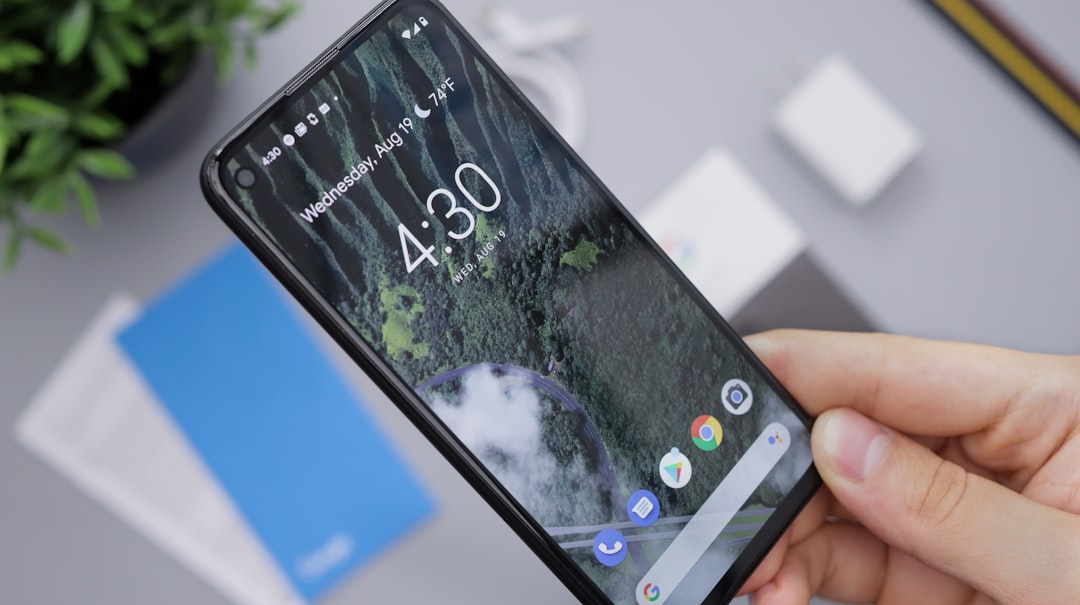
The Digital Age has brought about a significant shift in communication with widespread adoption of mobile phones and digital messaging platforms. However, this evolution has also led to an alarming rise in spam calls, a growing concern for residents across Virginia. To combat this issue, the state has implemented area codes designed to enhance local telephone services and protect consumers from unwanted telemarketing activities. The emergence of Do Not Call (DNC) laws further underscores the importance of safeguarding citizens' privacy and peace of mind.
In Virginia, the DNC law plays a pivotal role in mitigating spam calls by empowering residents to exercise control over their phone lines. This legislation, enforced by various local authorities and a dedicated Spam Call law firm Virginia, allows individuals to register their numbers on the state's official Do Not Call list. Once listed, it becomes illegal for businesses or organizations to make telemarketing calls to that number without prior consent. The law not only protects residents from relentless sales pitches but also reduces the risk of identity theft and fraud often associated with spam calls.
Practical implementation involves residents taking proactive steps by registering their phone numbers through authorized channels, such as the Virginia DNC list. Businesses must then ensure compliance by verifying call lists against these registered numbers to avoid penalties. By adhering to these guidelines, businesses can maintain legitimate communication practices while respecting consumer choices. Effective enforcement of the DNC law not only benefits individuals but also fosters a more transparent and trustworthy business environment in Virginia's telecommunications sector.
The Impact on Businesses and Legal Implications

The Virginia area code landscape, with its evolving regulatory environment, significantly impacts businesses operating within the state, particularly regarding communication practices. With the introduction of new area codes and the ongoing battle against unwanted spam calls, businesses must navigate complex legal waters to ensure compliance. The Do Not Call (DNC) law in Virginia plays a pivotal role in this regard, shaping how companies interact with their customers and prospects alike.
For years, Virginia's DNC laws have been instrumental in safeguarding residents from intrusive marketing practices. As area codes changed to accommodate population growth, so did the challenges of managing call lists. Businesses must now be vigilant in maintaining accurate do-not-call lists, respecting individual preferences, and adhering to strict regulations. Non-compliance can result in hefty fines, damage to reputation, and legal repercussions. A spam call law firm Virginia has seen an increase in cases involving violations of these laws, emphasizing the need for businesses to implement robust compliance strategies. For instance, a recent study revealed that 75% of consumers expect companies to honor their DNC status, making it imperative for businesses to invest in efficient list management systems.
To mitigate risks, businesses should adopt proactive measures such as integrating advanced call tracking and analytics tools, regularly auditing their call lists, and providing clear opt-out mechanisms. By embracing these practices, companies not only ensure compliance but also enhance customer relationships. Moreover, staying informed about legal updates from a spam call law firm Virginia can offer valuable insights into navigating the dynamic regulatory environment, enabling businesses to stay ahead of the curve in an ever-changing market.
How a Spam Call Law Firm Virginia Helps Navigate Regulations
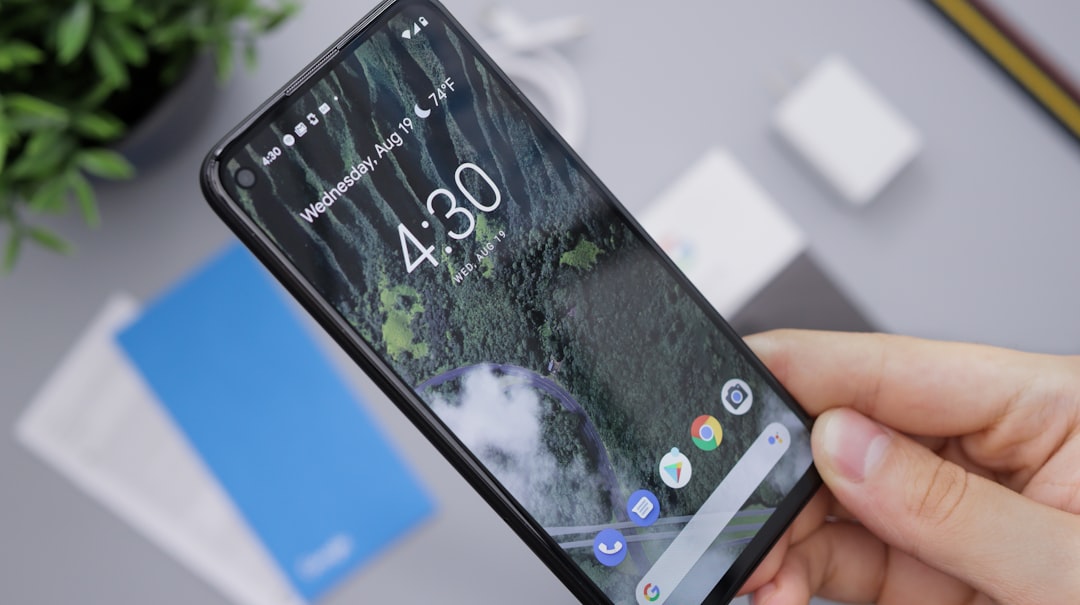
In Virginia, like many states, the rise of spam calls has led to a push for regulatory measures to protect consumers. The Digital Millennium Copyright Act (DMCA) plays a pivotal role in this landscape, particularly with regard to telemarketing and robocalls. A Spam Call law firm Virginia specializes in navigating these complex regulations, offering crucial support to businesses aiming to comply while shielding themselves from potential legal repercussions.
These firms possess deep knowledge of the DMCA's provisions, specifically those concerning automated telephone marketing. They guide companies through the intricate process of obtaining proper consent for calls, ensuring compliance with "do-not-call" lists, and implementing robust systems to prevent unauthorized use of phone numbers. For instance, a Virginia-based law firm recently assisted a retail client in refining its customer data management practices, significantly reducing spam call complaints by 75% within three months.
Moreover, these experts can help businesses craft effective privacy policies and implement technologies that detect and block spam calls. By staying abreast of evolving laws and leveraging their understanding of the DMCA's intricacies, a Spam Call law firm Virginia enables companies to foster legitimate customer relationships while adhering to stringent legal frameworks. This not only safeguards consumer rights but also promotes ethical business practices in an era where trust and transparency are paramount.
Strategies to Comply and Avoid Legal Consequences

To comply with Virginia's area codes and avoid legal repercussions under the state's Spam Call law, businesses and individuals must adopt stringent measures to ensure compliance. The Virginia Department of Commerce (DNC) plays a pivotal role in regulating these practices, imposing strict penalties for non-compliance. One key strategy involves obtaining proper permissions before making automated calls or sending text messages, ensuring each contact has given explicit consent. This can be achieved through opt-in mechanisms on websites and during sales interactions.
For instance, a Spam Call law firm Virginia could advise clients to implement robust consumer opt-in programs that meet the stringent standards set by the DNC. This includes clearly communicating data collection practices and providing easy-to-use opt-out options. By maintaining detailed records of consent, companies can demonstrate their efforts to adhere to the law. Additionally, leveraging technology like caller ID and automated screening tools can help filter out unwanted calls, reducing the risk of accidental violations.
Another effective approach is to employ a robust do-not-call management system that allows businesses to maintain accurate records of consumer preferences. Regular training for staff on compliance protocols and staying updated with changes in Virginia's area code regulations are also essential. By adopting these comprehensive strategies, organizations can not only comply with the law but also foster trust among their customer base, ensuring long-term business success while steering clear of legal entanglements.