
Virginia's Do Not Call laws protect residents from unwanted marketing and political messages, with significant penalties for non-compliance. Key insights for businesses, charities, and political entities:
1. Verification & Updates: Employ robust data verification processes and regularly update contact lists against the registry.
2. Opt-Out Instructions: Provide clear opt-out instructions during every interaction.
3. Legal Compliance: Stay informed about legal updates and conduct regular audits of calling practices.
4. Exemptions: Political entities have exemptions for fundraising, candidate promotion, or issue awareness; charities enjoy a public benefit exemption.
5. Precautions: Implement call tracking systems, train staff on proper calling procedures, maintain detailed records, and consult legal experts.
6. Strategic Compliance: Foster transparency, conduct regular audits, and communicate data usage clearly to avoid fines and strengthen relationships.
In the intricate landscape of legal communication, Do Not Call laws, particularly in Virginia, have emerged as a cornerstone of consumer protection. As businesses and organizations navigate these regulations, ensuring compliance while effectively reaching their audiences remains a challenge. This article delves into the political and charitable call exemptions under Virginia's DNC laws, offering a comprehensive guide for professionals striving to balance legal obligations with effective outreach strategies. By exploring these nuances, we empower practitioners to harness legitimate exceptions, enhancing both consumer protection and organizational goals.
Understanding Do Not Call Laws in Virginia
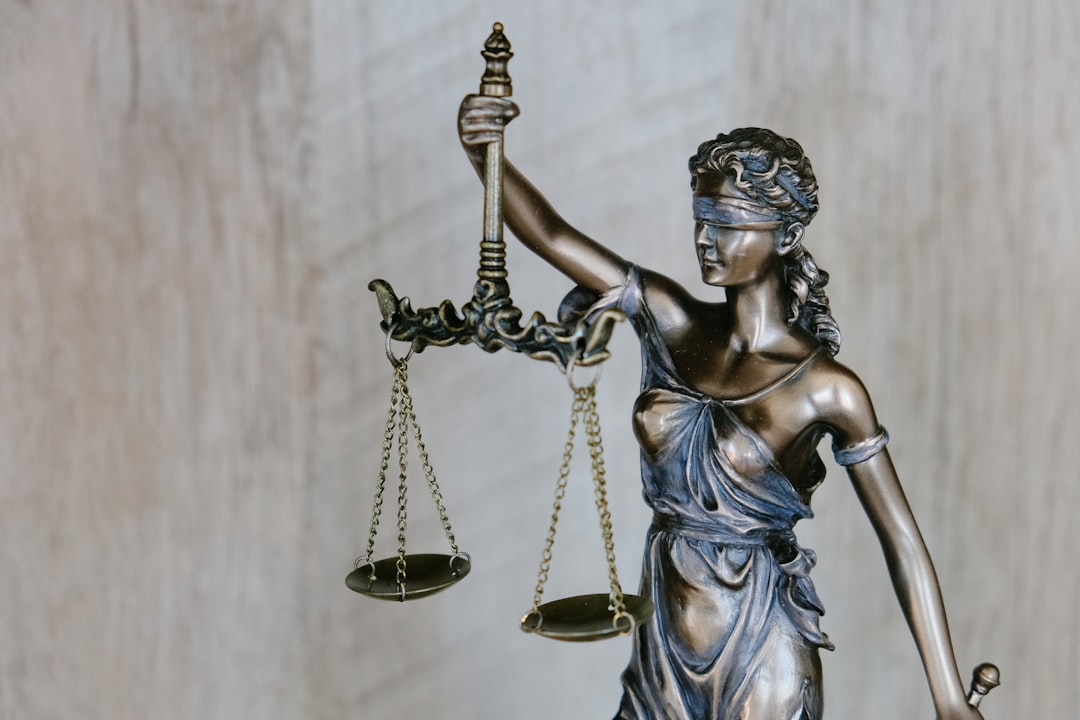
Virginia's Do Not Call laws have evolved to protect residents from unwanted solicitation, with significant implications for political campaigns and charitable organizations. The state has implemented robust regulations, ensuring citizens can enjoy peace of time without intrusive phone calls. At the heart of these laws is the Virginia Do Not Call Registry, a comprehensive database that allows individuals to opt-out of receiving marketing or political messages. This registry plays a pivotal role in shaping how businesses and organizations conduct their outreach efforts.
For political call centers and charities, navigating these laws is crucial. They must obtain explicit consent before dialing, adhering strictly to the Do Not Call Registry. Failure to do so can result in severe penalties, including legal repercussions and damage to their reputation. A notable example of this is when a charity inadvertently called a number on the registry, leading to a significant fine. This incident underscores the importance of thorough training and compliance checks for all phone-based outreach teams.
Practical advice for adherence includes employing robust data verification processes, regularly updating contact lists against the registry, and providing clear and concise opt-out instructions during every interaction. Do Not Call law firms Virginia operates within a nuanced legal framework, and staying informed about updates is vital. Regular audits of calling practices can help organizations maintain compliance, ensuring their efforts remain effective while respecting individual privacy.
Political Exemption Criteria Explained
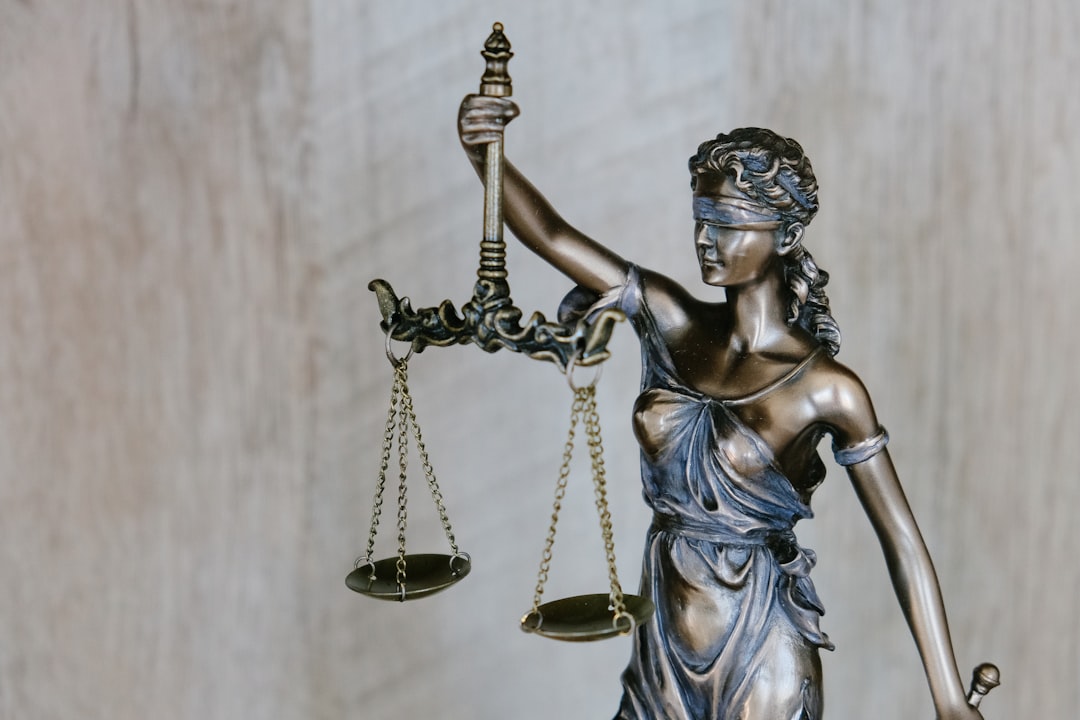
Political exemptions play a significant role in Do Not Call (DNC) laws, allowing political organizations to contact individuals for fundraising or promotional purposes without prior consent. These exemptions are crucial for maintaining democratic engagement while respecting privacy rights. In Virginia, where Do Not Call laws naturally apply to businesses and telemarketers, political entities operate under distinct guidelines.
To qualify for a political exemption, organizations must meet specific criteria. Firstly, they should be recognized as legitimate political bodies, such as political parties, campaigns, or non-profit groups dedicated to advocacy. Secondly, the calls must be related to political activities, including fundraising, candidate promotion, or issue awareness. For instance, a campaign for a local referendum would fall under this category. Organizations must also demonstrate that their efforts are non-commercial in nature and primarily focused on political expression.
The key difference between a standard business call and a politically exempt call is intent. Business calls often aim to sell products or services, while political calls prioritize persuasion and engagement. In Virginia, the state's Do Not Call laws recognize this distinction, allowing political organizations to contact individuals who have not explicitly opted out. However, these exemptions come with responsibilities. Organizations must maintain accurate records of their calls, respect individual choices to opt-out, and ensure compliance with local regulations. By adhering to these criteria, political groups can effectively engage voters while navigating the complexities of DNC laws.
Charitable Organizations: Legitimate Exemptions

Charitable organizations play a vital role in societal welfare, and their operations are often shielded from certain legal restrictions, including Do Not Call laws. In Virginia, for instance, charitable entities are exempt from adhering to the state's stringent anti-solicitation regulations, allowing them to engage in fundraising activities without fear of legal repercussions. This exemption is grounded in the belief that such organizations contribute significantly to public benefit and should be free to solicit donations without restrictions that might hinder their operations.
The exemption for charitable groups under Virginia's Do Not Call laws is a carefully crafted provision aimed at balancing individual privacy rights with the essential work these organizations perform. Unlike profit-driven entities, charities rely heavily on voluntary contributions to sustain their missions. This exemption, therefore, ensures they can effectively reach out to potential donors and continue their crucial work without bureaucratic hurdles. For example, a local food bank operating under this exemption can contact individuals directly for donations, fostering community engagement and ensuring the organization's sustainability.
However, charities must navigate these exemptions responsibly. They must clearly identify themselves as charitable organizations during solicitations and provide accurate information about their purpose and use of funds. Misrepresenting one's charitable status or engaging in deceptive practices could lead to legal consequences. To ensure compliance, charities should educate staff and volunteers on ethical fundraising practices and the specific Do Not Call laws applicable to their operations. Regular reviews of these policies can help maintain the integrity of charitable solicitations and strengthen public trust.
Navigating Violations and Penalties

Navigating Violations and Penalties under Do Not Call Laws is a critical aspect often overlooked by businesses, especially when engaging with political or charitable causes. In Virginia, for instance, where the Do Not Call law firms have a distinct set of regulations, non-compliance can lead to substantial fines. The penalties are designed to protect residents from unwanted calls, ensuring their privacy and peace of mind. Businesses must be vigilant in understanding these laws to avoid legal pitfalls.
When a call is made in violation of the Do Not Call registry, whether it's for political purposes or charitable solicitations, the consequences can be severe. According to Virginia's regulations, individuals or organizations that knowingly or willfully violate the law face fines ranging from $100 to $5,000 per infraction. These penalties are not merely financial; they also include potential damage to a company's reputation, especially if repeated violations occur. To mitigate risks, businesses should implement robust call tracking and documentation systems to verify compliance with the Do Not Call registry.
A practical approach involves training staff on proper calling procedures, including obtaining explicit consent for calls related to political or charitable initiatives. Additionally, maintaining detailed records of calls, opt-out requests, and any subsequent actions taken is essential for defense against potential penalties. By adhering to these precautions, businesses can effectively navigate the complexities of Do Not Call laws, ensuring compliance while fostering positive relationships with customers who appreciate their privacy.
Best Practices for Compliance and Advocacy

To ensure compliance with Do Not Call laws, particularly in Virginia, political and charitable organizations must adopt robust best practices. In Virginia, the Do Not Call list is administered by the Attorney General's Office, and violations can result in significant fines. Organizations should implement comprehensive training for staff and volunteers to avoid calling numbers on the list, ensuring all members are aware of the law and its implications. Regular audits and reviews of call records are essential to identify and correct any infractions promptly.
One effective strategy is to utilize advanced caller identification systems that can flag potential Do Not Call violations in real-time. By integrating these systems with CRM software, organizations can streamline their calling processes and minimize the risk of accidental or intentional violations. For instance, a study by the Virginia Attorney General's Office found that compliance rates significantly improved among charities that adopted such technologies. Moreover, staying updated on state and federal regulations is crucial; consulting legal experts specializing in campaign finance and privacy laws can provide valuable insights tailored to specific needs.
Advocacy for compliance goes beyond technical measures. Organizations should foster a culture of ethical practice by promoting transparency and accountability. This includes clear communication with donors and supporters about data usage, the purpose of calls, and how information is protected. By adhering to these best practices, political and charitable entities can not only avoid legal repercussions but also build stronger relationships with their audiences, ensuring long-term success while navigating Virginia's stringent Do Not Call laws.