
The Do Not Call Attorney Virginia plays a crucial role in protecting citizens from unwanted telemarketing by enforcing federal and state DNC regulations. Key aspects include consumer opt-outs, technological challenges, business compliance tips, and prevention through training and protocol adherence. Businesses must honor opt-out requests, maintain records, and stay informed about regional laws to avoid penalties. The Attorney General's office investigates rule violations, particularly in political campaigns, ensuring election fairness. Compliance involves internal policies, audits, technology, and legal consultation when needed.
The enforcement of rules within political parties holds significant importance in maintaining democratic integrity. However, challenges arise when members or affiliates disregard these guidelines, potentially undermining the party's principles. This article delves into the critical role of the Attorney General in addressing rule violations, specifically focusing on the Do Not Call (DNC) rules. We explore how the Virginia Do Not Call Attorney plays a pivotal part in ensuring compliance, fostering fairness, and upholding the values of democratic participation and transparency. By examining current practices and potential strategies, we aim to provide valuable insights into strengthening party governance.
Understanding DNC Rules: A Comprehensive Overview
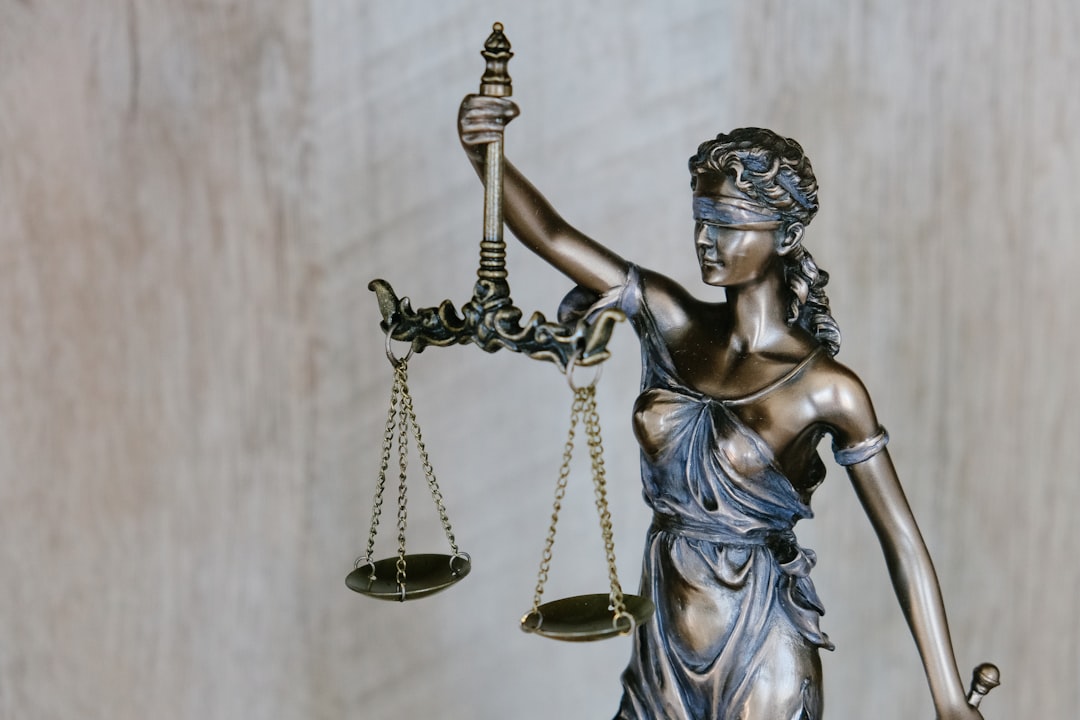
The enforcement of Do Not Call (DNC) rules by the Attorney General is a critical aspect of protecting citizens from unwanted telemarketing calls. To effectively navigate this landscape, it's imperative to understand the intricacies of these rules, which vary in scope and application depending on the jurisdiction. The Federal Trade Commission (FTC) and state-level Attorney Generals' offices play pivotal roles in enforcing these regulations, ensuring compliance among businesses engaging in outbound telephone marketing campaigns.
At the heart of DNC enforcement lies the requirement for businesses to maintain accurate do-not-call lists and honor consumer requests to stop receiving calls. For instance, in the United States, the Telemarketing and Consumer Fraud and Abuse Prevention Act (TCFA) mandates that companies abstain from placing telemarketing calls to telephone numbers listed on the National Do Not Call Registry. Violations can result in substantial penalties, as demonstrated by recent cases where businesses were fined for ignoring consumer opt-outs.
A key challenge lies in keeping pace with evolving technologies and marketing strategies. Modern telemarketers employ sophisticated call routing systems and dynamic number generation, making it easier to bypass traditional do-not-call measures. To counter this, Attorney General offices collaborate with industry experts and law enforcement agencies to develop advanced detection methods. These include data analytics tools that identify patterns indicative of telemarketing violations and automated systems for consumer complaints, ensuring swift action against non-compliant entities.
Practical advice for businesses aiming to comply with DNC rules includes implementing robust opt-out mechanisms during marketing calls, maintaining meticulous records of consumer preferences, and regularly reviewing and updating internal policies. Additionally, staying informed about regional variations in laws is essential, as different states may have specific requirements regarding call timing, content, and frequency. By adhering to these guidelines and fostering transparency with consumers, businesses can contribute to a more respectful and compliant telemarketing environment while mitigating the risk of Attorney General enforcement actions.
The Role of the Attorney General in Enforcement

The Attorney General plays a pivotal role in enforcing regulations within political parties, including the Democratic National Committee (DNC). This enforcement power is crucial for maintaining integrity in democratic processes and ensuring compliance with established rules. In the event of rule violations, particularly regarding campaign practices, the Do Not Call Attorney Virginia takes on a critical task—investigating and addressing these transgressions.
One of the primary responsibilities involves scrutinizing complaints related to unauthorized phone banking or canvassing activities, often a violation of DNC guidelines. For instance, during high-profile political seasons, these attorneys delve into instances where campaigns disregard do-not-call lists, leading to relentless calls that harass potential voters. Such interventions not only protect citizens' rights but also uphold the fairness and transparency integral to democratic elections. Moreover, they set a precedent for future compliance by deterring similar misconduct.
Practical advice for political organizations is to remain vigilant about member training and protocol. Regular workshops and updates on DNC regulations can help prevent accidental or intentional violations. Engaging in open dialogue with the Attorney General's office can also foster a culture of transparency, ensuring that any concerns are addressed promptly. By cooperating with enforcement efforts, political entities demonstrate their commitment to ethical practices, ultimately strengthening public trust in democratic institutions.
Do Not Call Attorney Virginia: Navigating Compliance Procedures

The enforcement of Do Not Call (DNC) rules by the Attorney General's office plays a pivotal role in safeguarding consumers from unwanted telemarketing practices. One state that has been particularly proactive in this regard is Virginia, where the Attorney General's office has established comprehensive guidelines and procedures to ensure compliance with DNC regulations. For businesses operating within Virginia or targeting its residents, understanding these compliance procedures is essential to avoid legal repercussions.
At the heart of Virginia's approach lies a robust Do Not Call Registry, meticulously maintained by the Attorney General's office. Consumers in Virginia can register their phone numbers to opt-out of telemarketing calls, and businesses are legally bound to honor these requests. The registry serves as a cornerstone for enforcement, allowing the Attorney General's team to monitor compliance and take swift action against violators. For instance, a 2021 report by the Virginia Attorney General's office revealed that over 40% of complaints received involved unauthorized calls from telemarketers despite consumers being registered in the DNC Registry. This data underscores the importance of businesses adhering strictly to the rules.
Navigating compliance involves several key steps. Firstly, businesses must implement robust internal policies and training programs to ensure employees understand and follow DNC regulations. This includes clear protocols for verifying consumer consent and honoring opt-out requests. Regular audits and monitoring of call records can help identify potential violations early on. Furthermore, leveraging technology like automated dialing systems equipped with DNC capabilities can streamline the process and reduce human error. For businesses already facing scrutiny or legal action due to DNC violations, consulting with a Do Not Call Attorney Virginia can offer valuable guidance tailored to local laws and regulations.